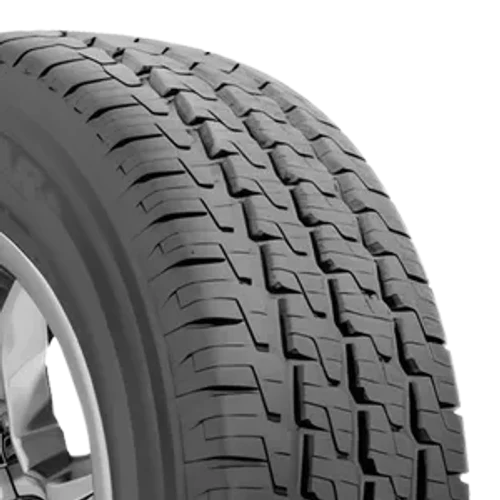
All-Season Tires
We stock 4,179 all-season tires from 21 brands. Prices run from $60.74 to $972.00 per tire ($242.96–$3888.00 per set of four). 209 of them carry the 3PMSF severe-snow rating.
4,179 tires found
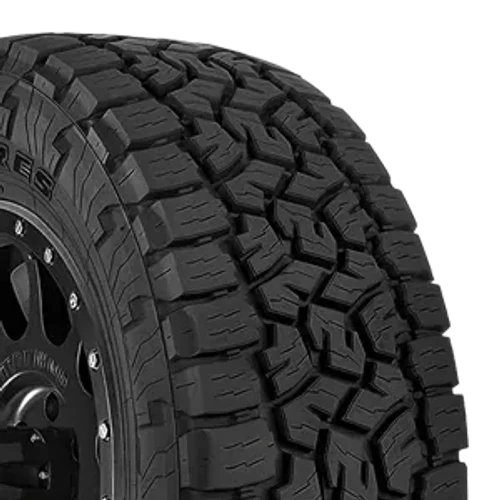
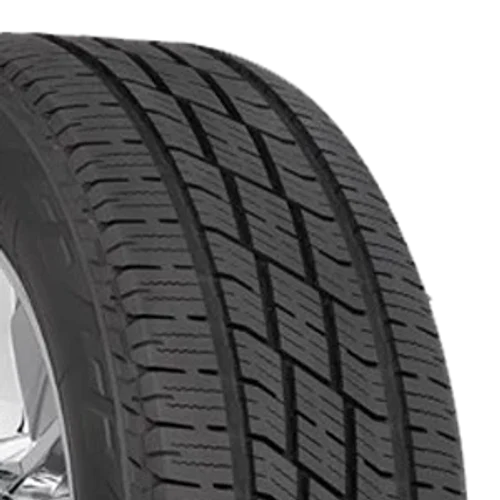
About all-season tires
All-season tires are a year-round compromise: a moderate compound and a tread pattern that balances dry grip, wet traction and long tread life. They avoid the twice-yearly changeover of dedicated seasonal tires.
They suit moderate climates without sustained freezing temperatures or heavy snowfall. In genuine winter conditions a dedicated winter tire will stop noticeably shorter.
Frequently asked questions
What is a all-season tire?
All-season tires are a year-round compromise: a moderate compound and a tread pattern that balances dry grip, wet traction and long tread life. They avoid the twice-yearly changeover of dedicated seasonal tires.
When should I fit all-season tires?
They suit moderate climates without sustained freezing temperatures or heavy snowfall. In genuine winter conditions a dedicated winter tire will stop noticeably shorter.
What should I look for when buying all-season tires?
Most all-season tires carry an M+S marking. Only those also showing the 3PMSF snowflake have passed the severe-snow test.
How much do all-season tires cost?
At ExtraBrake they range from $60.74 to $972.00 per tire, or $242.96 to $3888.00 for a set of four, across 21 brands.
Should I replace all four tires at once?
Fitting a matched set of four keeps grip balanced at both axles, which matters most in low-grip conditions. If you replace only two, they should go on the rear axle to reduce the risk of oversteer, regardless of which wheels drive the car.